
Rooms that almost work are all too common. You pick beautiful window treatments, flooring, and furniture—but somehow, the space still feels off. The secret to a polished home lies in interior design coordination: making every element part of one clear vision. After working on hundreds of homes across the San Gabriel Valley, we know how a unified approach creates harmony and confidence, saving you costly rework down the road.
The Art of Cohesive Room Design
Common Frustrations in Home Design
Ever wonder why your room looks great in parts but not as a whole? You’re not alone. Many homeowners find their spaces lacking cohesion. This common issue often stems from picking elements like window treatments and furniture separately, which can result in a disjointed feel.
Why Coordination Matters
A unified design solves this. When every element aligns with a singular vision, your space feels intentional. Think of it as a puzzle: each piece must fit perfectly. Coordination makes all elements work together, creating a seamless look that feels both inviting and complete.
Achieving a Harmonious Look
How do you get there? Start by considering each piece as part of a larger picture. This approach ensures that window treatments, flooring, and furniture don’t just exist but compliment each other beautifully. Harmony in design transforms a room from just a collection of items to a cohesive environment.
Key Elements of Interior Design Coordination
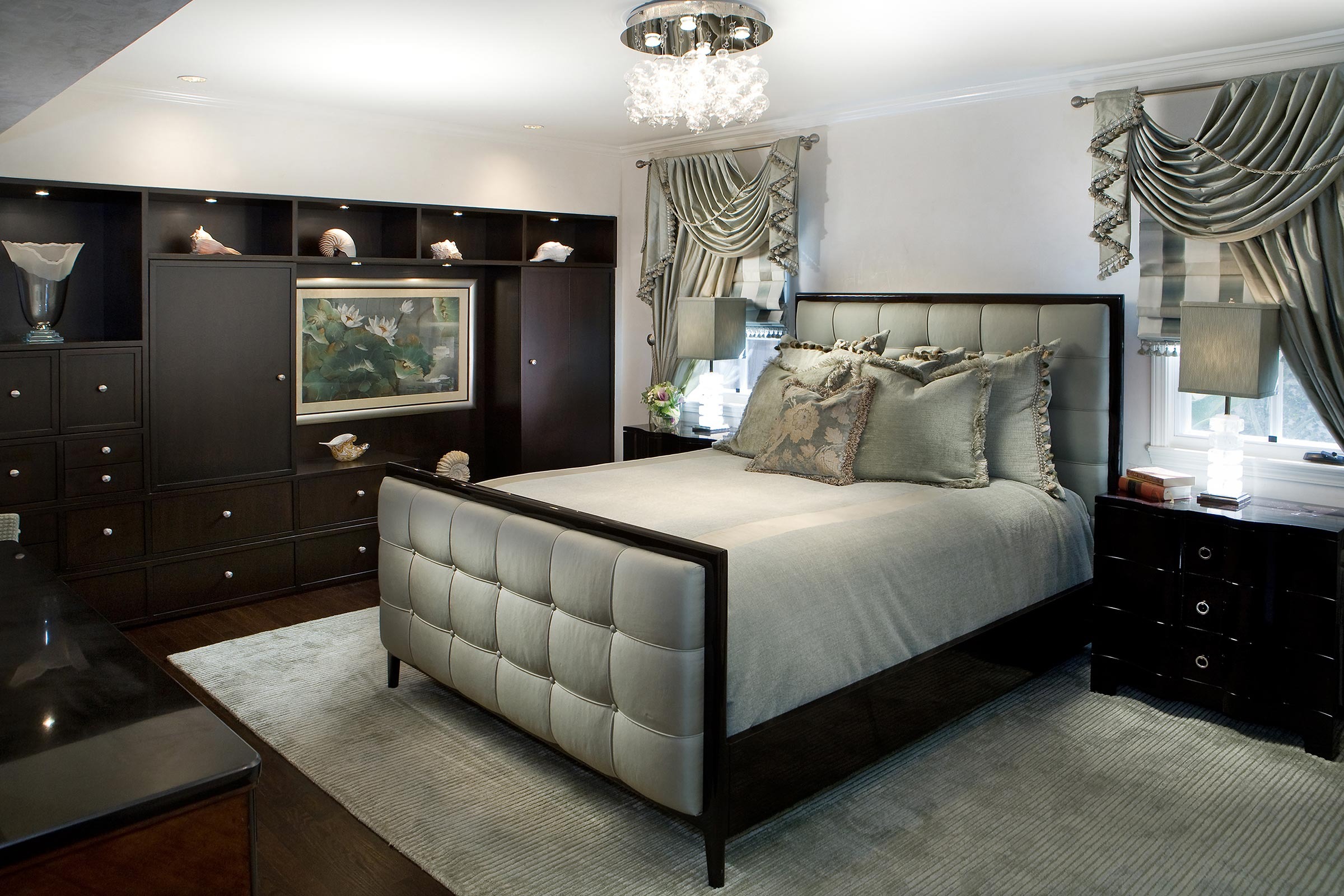
Window Treatments and Flooring Harmony
The magic begins here. Imagine your window treatments picking up subtle tones from your flooring. This connection creates a visual flow from floor to ceiling. It’s all about balance: when window treatments and flooring complement each other, they set the tone for the room.
Furniture Selection Strategies
Choosing furniture is more than picking what looks good. It involves understanding scale, style, and function in your room. Aim for pieces that resonate with your flooring and window treatments. This doesn’t mean everything must be matchy-matchy; rather, they should speak a similar design language for a unified look.
Creating Visual Balance
Balance is crucial. It’s what makes a room feel right when you walk in. Achieving this involves thoughtful placement and proportion. By ensuring no single piece overpowers another, your room maintains a tranquil feel. This visual balance is what makes a space feel both finished and inviting.
Benefits of a Unified Design Process

Avoiding Costly Rework
Coordinating from the start prevents mistakes. Without a unified plan, you might face costly adjustments down the road. By making decisions as part of a cohesive process, you save time and money, avoiding the dreaded rework loop that frustrates so many.
Building Confidence in Your Space
A cohesive room instills confidence. When everything works together, you feel assured in your home’s appeal. It’s a space you’ll be proud to share with others, knowing that each element was chosen with intent and purpose.
The Role of a Trusted Design Partner
Navigating the complexities of design requires expertise. That’s why partnering with a seasoned design-build firm can be invaluable. They bring experience and vision, ensuring that every choice supports your overall aesthetic goal. With a trusted partner, you gain not just a beautiful home but peace of mind knowing the heavy lifting is done for you.
Frequently Asked Questions
What is interior design coordination?
Interior design coordination involves aligning all design elements to create a cohesive look. This means ensuring that window treatments, flooring, and furniture work together in harmony to support a unified vision for your space.
Why is it important to coordinate window treatments and flooring?
The coordination between window treatments and flooring ensures visual flow and balance in a room. When they complement each other, they set a tone that enhances the overall aesthetic, creating a seamless and inviting environment.
How does a unified design process prevent costly rework?
A unified design process integrates all elements from the start, minimizing mismatches and errors. By making informed, cohesive decisions early on, it prevents the need for expensive corrections and ensures a smooth execution of your design plan.