
When tastes change, some parts of a home are easier to update than others. Thinking about replacement effort can help you decide where to spend more time during design. It also gives you a practical way to discuss long-term preferences without trying to predict every future trend.
Start with layout and built-in work
Room relationships, openings, cabinetry and other fitted elements can involve substantial work to alter. Review how they support daily use before focusing on decorative details. Ask the team what a proposed change affects elsewhere in the home. Understanding those connections helps you judge the decision in context.
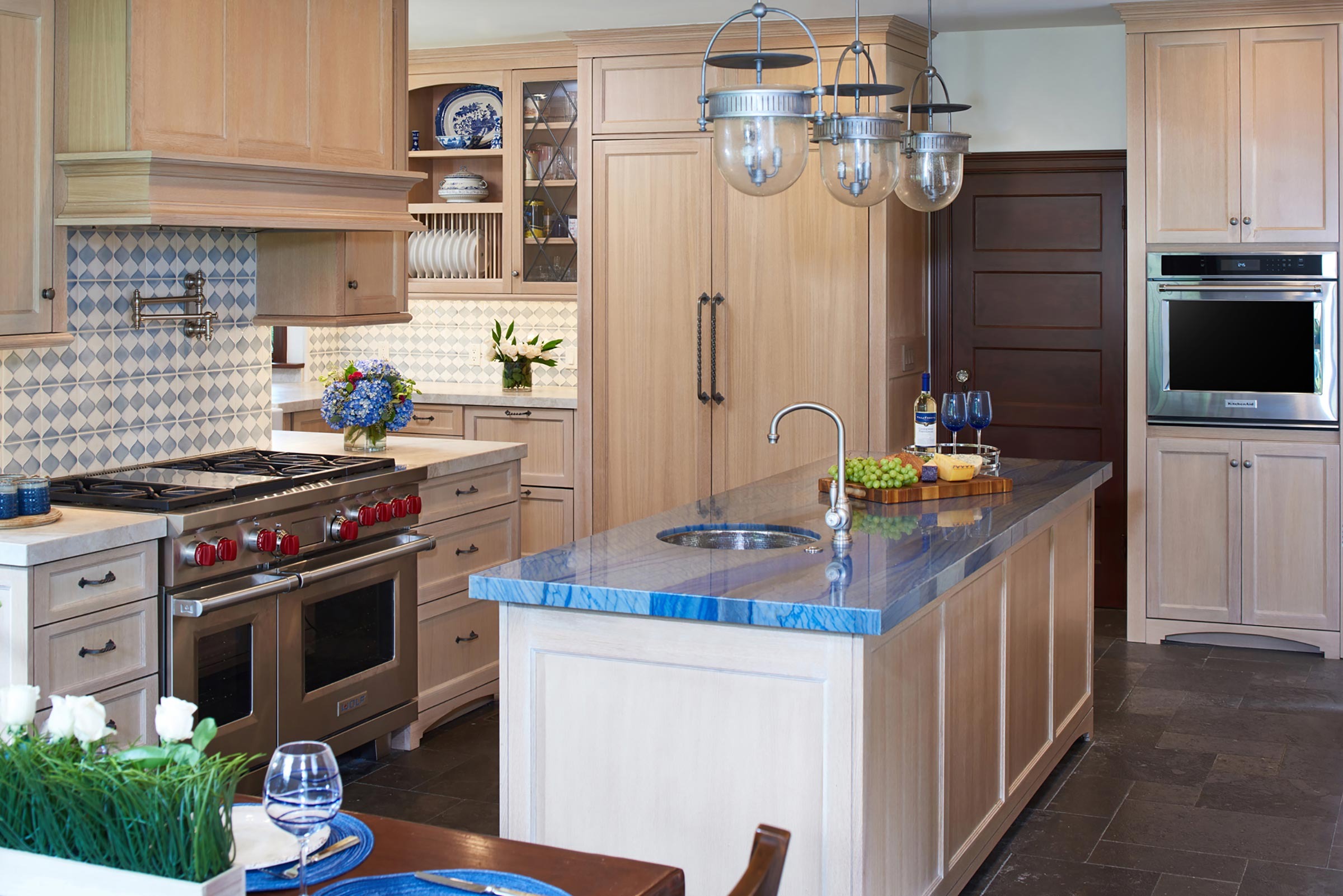
Consider care as well as appearance
For each material under consideration, ask about the manufacturer’s care guidance, likely wear and repair options. Bring up the way the household uses the room, including cooking habits, pets or frequent guests where relevant. A finish you enjoy maintaining may be a different choice from one you prefer to leave largely alone.
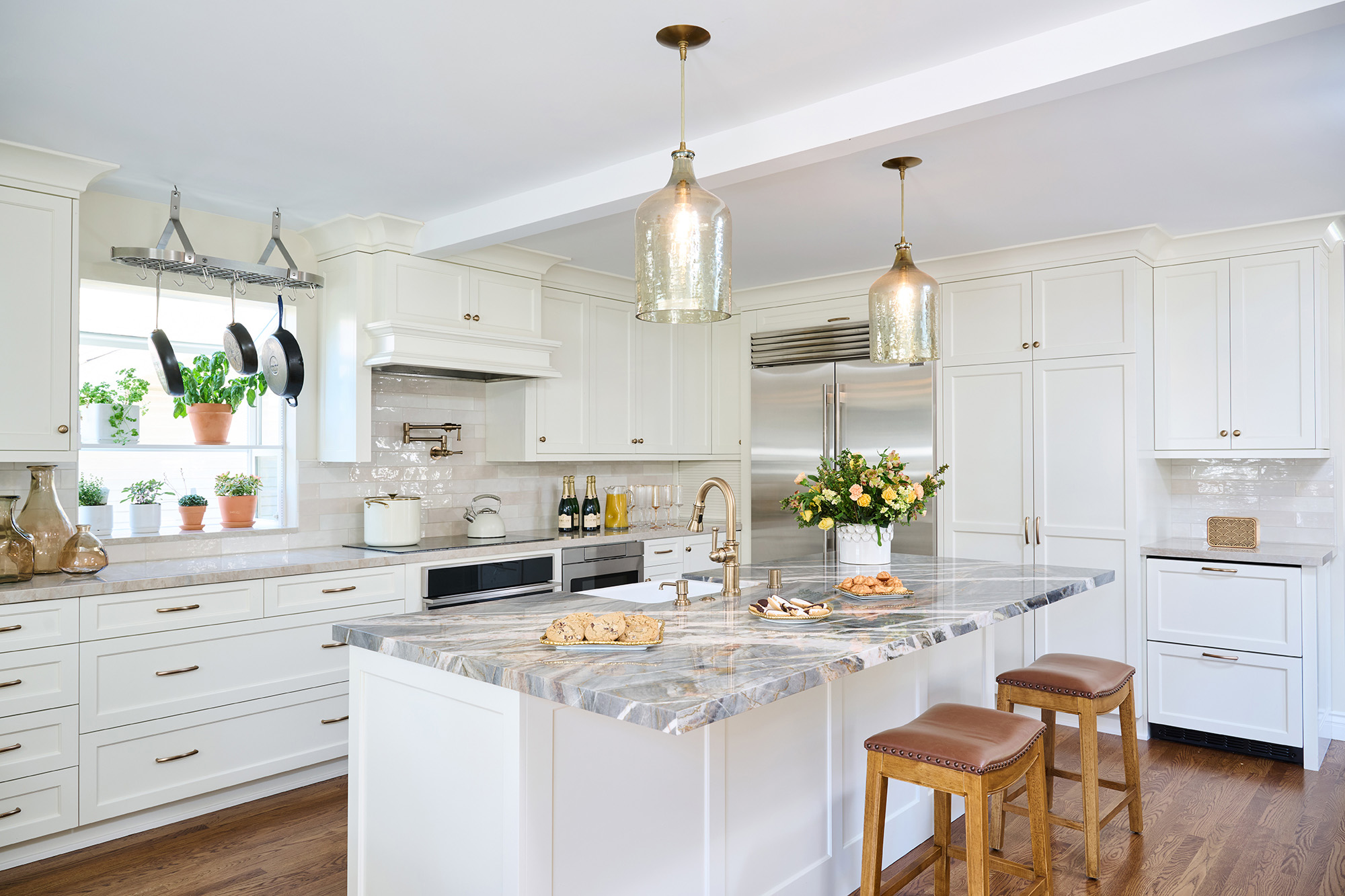
Keep room for personal taste
Long-term planning does not require every surface to be neutral. Identify the colors, patterns and materials you have liked consistently, and discuss where you want a stronger expression. Furnishings and some decorative elements may offer more flexibility than built-in work. The right balance depends on your preferences and the home.
Review the difficult decisions together
Before final approval, revisit the layout, built-ins and material choices that would be most disruptive to change. Explain any uncertainty to the design team rather than relying on a label such as timeless. Explore our residential portfolio for different approaches, then use those examples to clarify what you want to live with over time.