
Adding space to your home often brings a hidden worry: will the new addition look like it truly belongs? The challenge isn’t just the square footage—it’s matching your home’s scale, flow, and finish so the new feels like part of the original. With over 40 years and 950 projects in the San Gabriel Valley, Cynthia Bennett & Associates knows how to make your home addition San Gabriel Valley families trust feel seamless from the first glance.
Understanding Scale in Additions
Creating a home addition that feels like it belongs begins with understanding its scale. It is not just about adding space, but aligning the new with the existing structure.
Proportion and Roofline Harmony
Proportion is key in making your addition feel cohesive. Consider the overall shape and size of your current home. Each new section should respect these dimensions, maintaining a balanced look. Roofline harmony is also crucial. This means ensuring that the roof of your new addition matches the pitch and style of the existing roof. When done right, it can make the new addition feel like it was always part of the original design.
Massing and Overall Balance
Massing refers to the bulk or form of your addition. Strive for balance so that the new section does not overshadow the existing home. By carefully considering the massing of your addition, you can ensure it complements the rest of your house. Balancing these elements creates a unified appearance, making the entire structure more visually appealing.
Flow: Ensuring Seamless Transitions

A home addition should not disrupt the natural flow of your living space. Thoughtful planning can make transitions feel smooth and intuitive.
Circulation and Movement Mapping
Map out how you move through your home. An addition should enhance this movement, not hinder it. Consider how new hallways or doorways can connect spaces without creating awkward dead ends. This careful circulation planning allows for free and easy movement, enhancing the overall functionality of your home.
Room Connections and Sightlines
Effective room connections are crucial. Open up sightlines to ensure each space feels connected to the next. When you can see through to other rooms, it creates a sense of openness and continuity. This connection makes the home feel like a single, unified space rather than a series of separate rooms.
Finish: The Final Touches
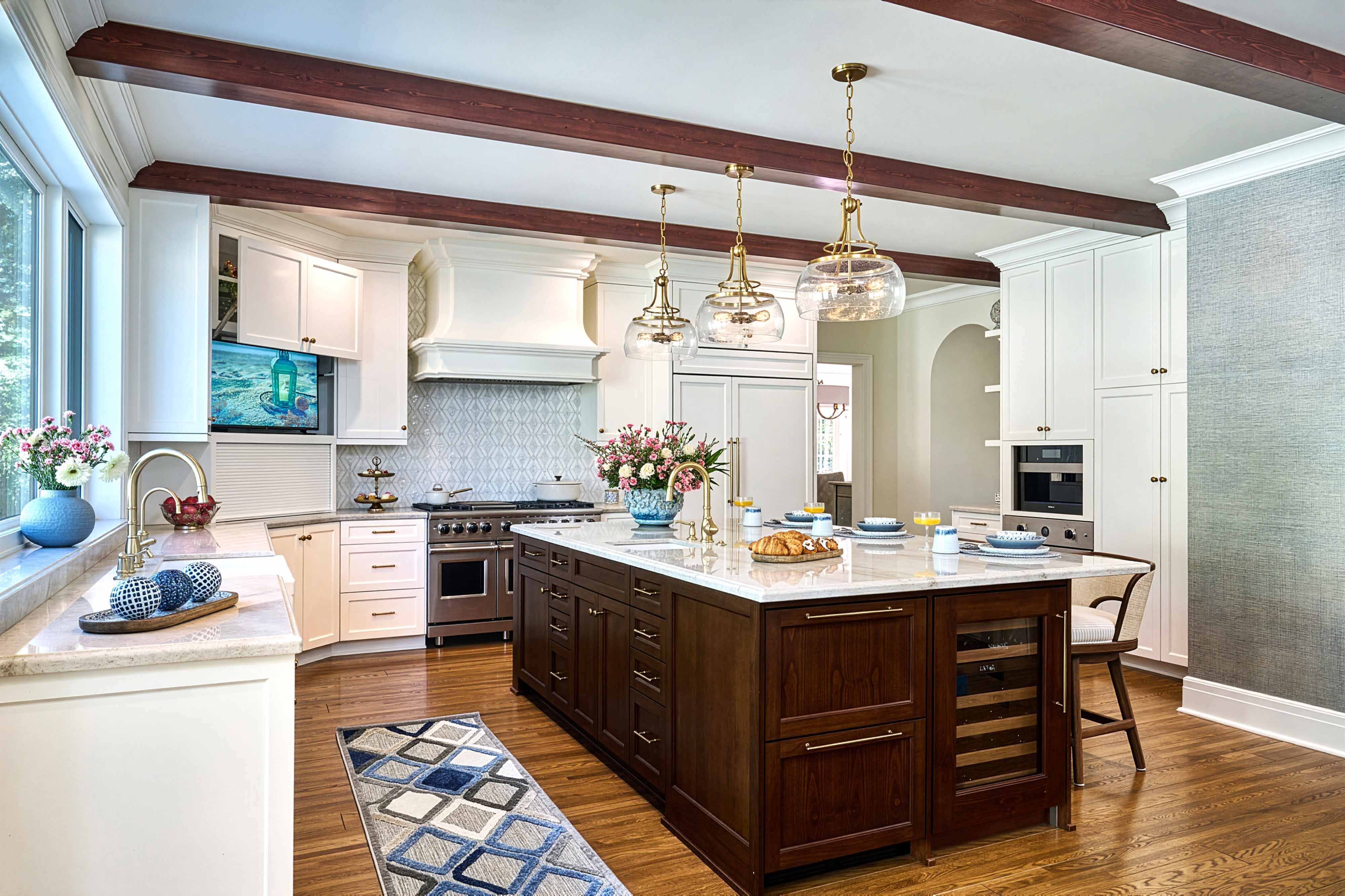
The finishes you choose for your addition play a significant role in making it feel integrated.
Material Consistency and Continuity
Choosing materials that match or complement the existing home is essential. Whether it’s the type of wood for the floors or the style of cabinetry, consistency in materials ties the whole home together. This material continuity ensures that the new addition does not stand out but rather blends seamlessly with the existing structure.
Details: Millwork and Flooring Transitions
The small details can make a big difference. Pay attention to millwork, such as baseboards and trim, and ensure they match the existing style. Flooring transitions should also be smooth, with patterns and materials flowing naturally from one room to the next. These details, although minor, play a crucial role in creating a cohesive look and feel throughout your home.
Frequently Asked Questions
How do I ensure my addition matches the existing home?
To ensure a seamless match, focus on scale, flow, and finish. Keep proportions aligned, maintain consistent materials, and consider the movement through spaces.
What is the importance of roofline harmony in additions?
Roofline harmony ensures that the new section blends visually with the existing structure, making the addition feel like part of the original home.
How can I improve the flow between old and new spaces?
Plan for smooth transitions by mapping circulation and maintaining open sightlines. This enhances movement and creates a unified feel throughout the home.
What role do materials play in home additions?
Materials are crucial for continuity. Consistent use of materials such as wood, trim, and flooring ties the new and existing spaces together seamlessly.
Why are details like millwork important in additions?
Details like millwork and flooring transitions contribute significantly to a cohesive design, making the addition feel integrated rather than tacked on.