
Choosing everything for a remodel at once can make the process feel harder than it needs to be. Work with your design team to organize decisions by when they are needed and how they relate to one another. A short, current list is more useful than scattered messages and saved images.
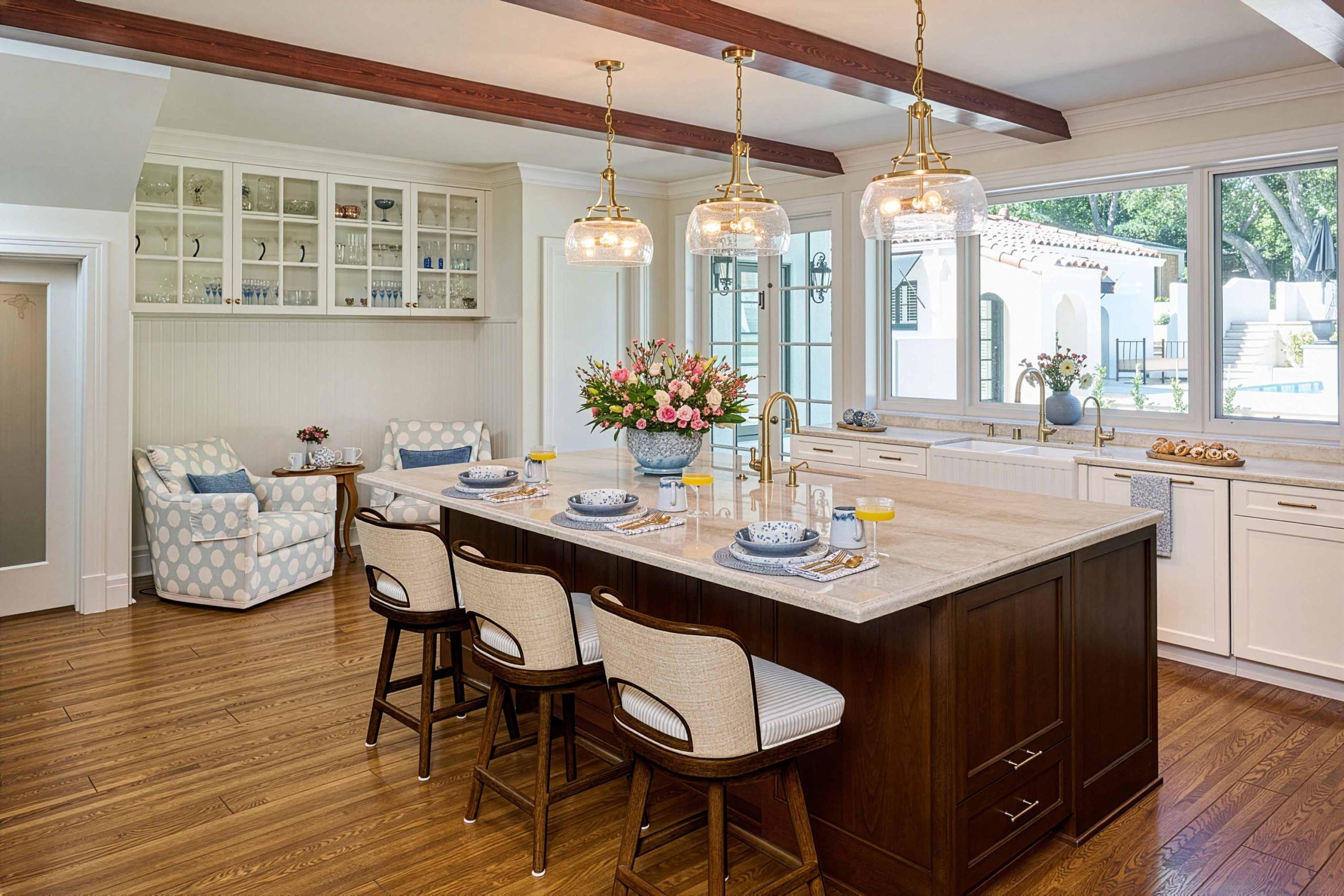
Sort decisions by purpose and timing
Separate layout questions from material selections and later interior details. Ask the team which items must be resolved first. For each decision, note the room, the available options and the reason it matters to you. Keep a distinction between an idea you like and a choice you are ready to approve.
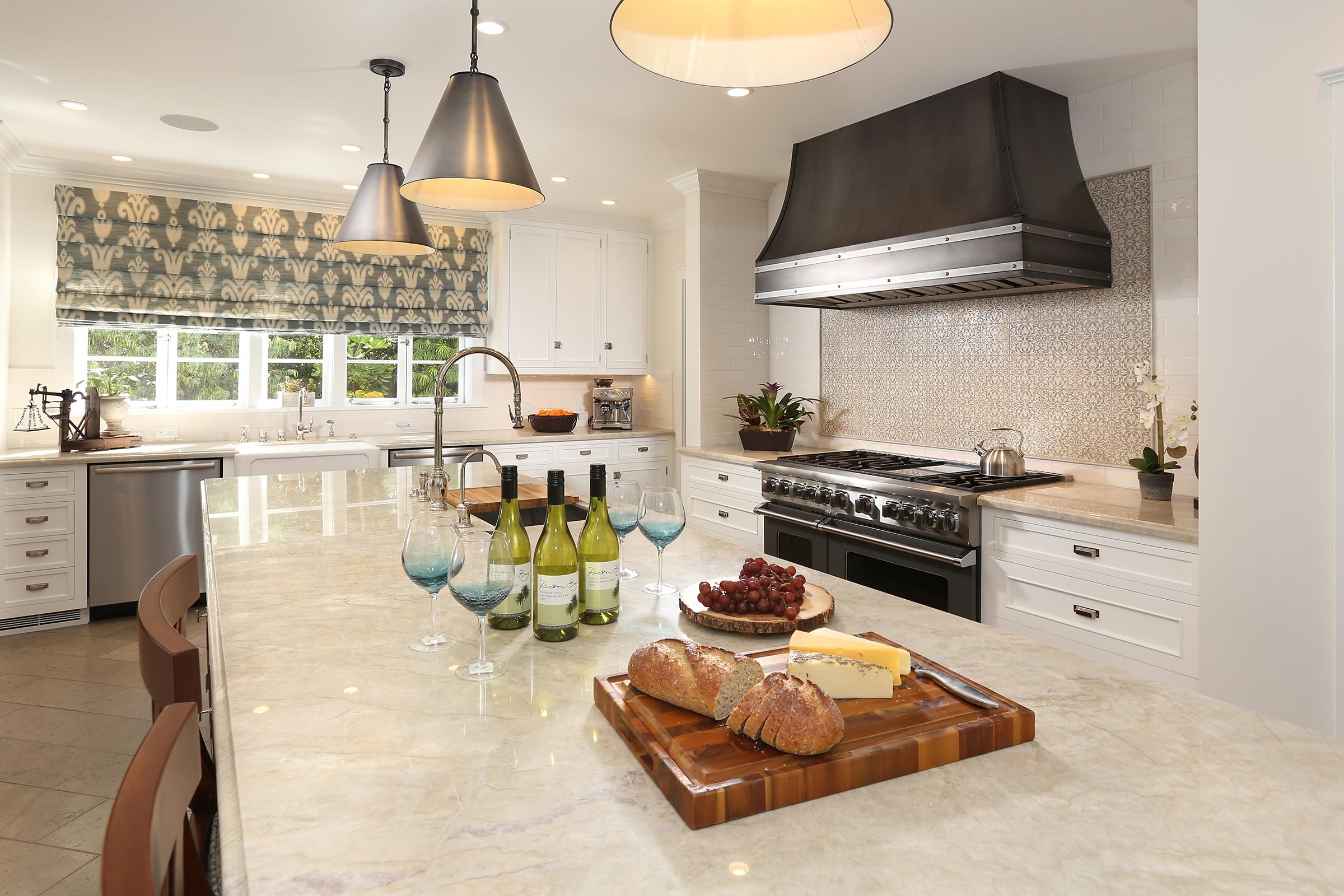
Compare a manageable set of options
Explain your priorities before asking for more alternatives. Maintenance, comfort, appearance and budget may carry different weight for different parts of your home. If you are stuck, identify what is missing: a sample, a dimension, a clearer comparison or another household member’s input. Adding more choices may not answer that question.
Keep one record of the current decision
Use the communication and approval method agreed with your project team. Record the selected option, any remaining questions and the next action. When a decision changes, make that change explicit so an older message is not mistaken for the current direction. Bring the list to project discussions and close out resolved items. The aim is to make your input clear and timely throughout the remodel.
If you are still collecting ideas, start with our guide to building a useful remodeling IdeaBook. Discuss your home with Cynthia Bennett & Associates.
Review connected decisions before approving a change
A layout change can affect cabinetry, lighting, furniture and other work. Ask the team to explain those connections and the effect on cost and timing before treating a change as final. Return to the original project priorities when options compete. Use the finish-planning checklist to identify selections worth reviewing together.